The Practical Five: Week 23
Five ideas from AI and product design you can apply by Monday

The Thursday companion to my Tuesday deep dives.
🔬 Research worth using. One finding you can apply, not just nod at.
🤖 AI this week. The signal, not the noise.
🔄 What changed. A product or UX move worth stealing.
📌 Worth remembering. An old idea that explains today.
👀 One more thing. A tool, a take, or something odd I couldn’t drop.
🔬 ChatGPT cut brain connectivity by 47%.
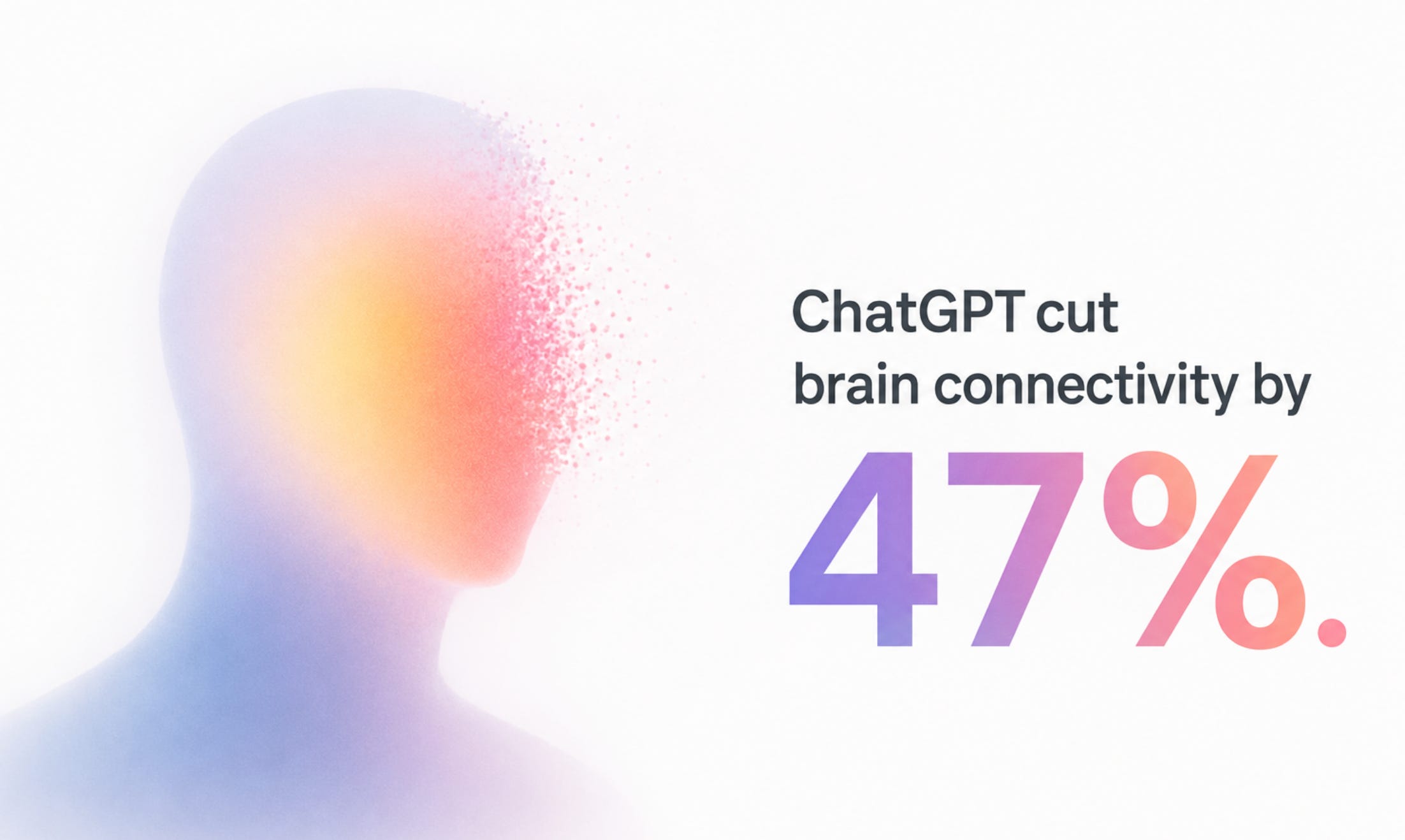
Three students wrote the same essay: one used only their brain, one used Google, one used ChatGPT. After four months, the ChatGPT group showed ~47% lower brain connectivity, remembered less of what they had written minutes earlier, and felt less ownership over their work.
This doesn’t mean AI makes you “worse.” It shows what happens when the tool does the thinking for you.
Use this: think first, AI second. Draft your own outline or argument before prompting. You keep the learning loop, AI accelerates it.
Read the research: Your Brain on ChatGPT
🤖 “AI creative director” is now a real job.
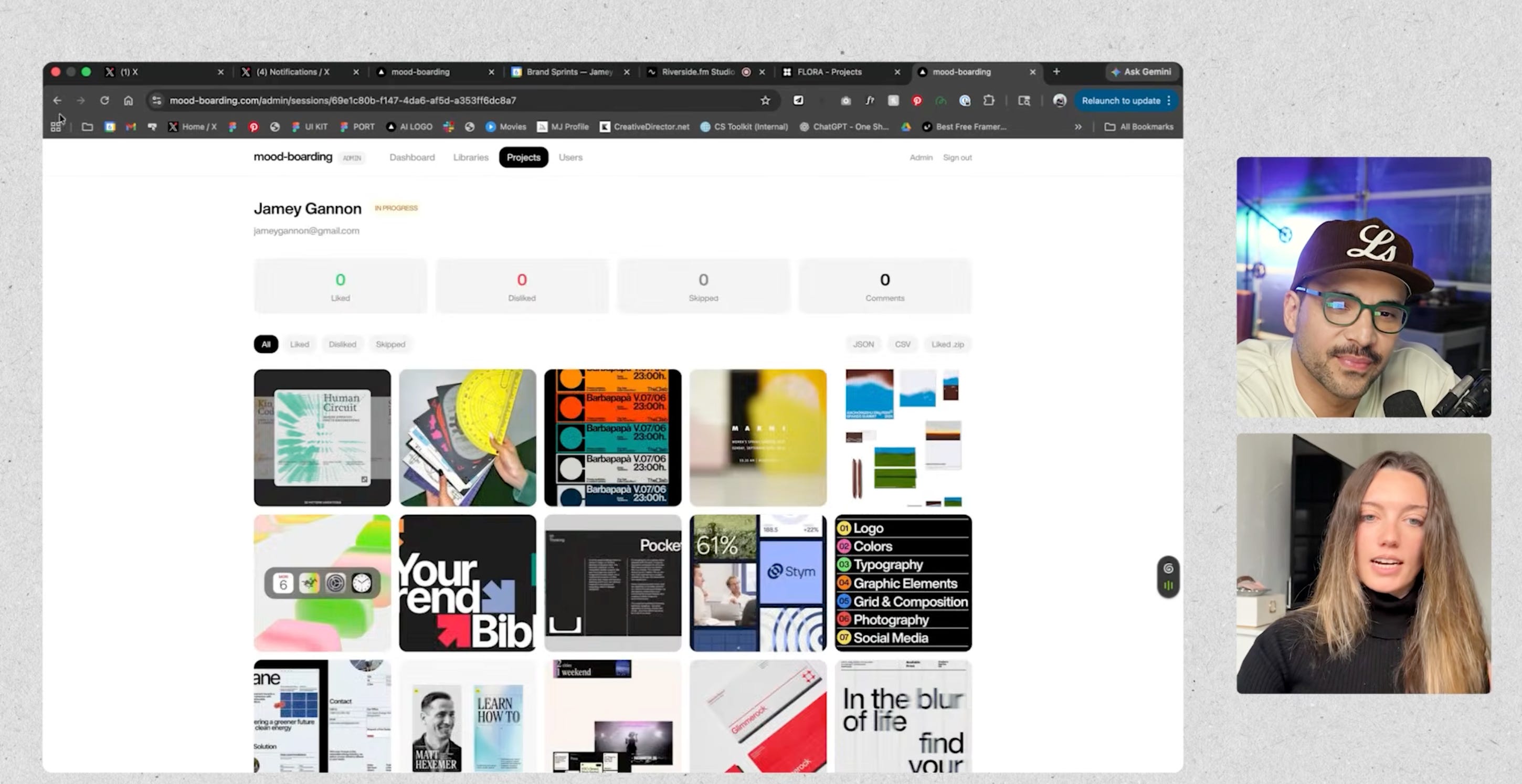
Can AI actually be creative?
In a conversation with Tommy Geoco, Jamey Gannon shared a surprising lesson from six months of working with AI: better results didn’t come from better prompts. They came from better creative process.
The shift: outputs improve when your taste improves.
Instead of obsessing over prompt phrasing, invest in references, direction, and point of view. AI amplifies what you feed it.
🔄 Netflix now sorts by reader, not genre.
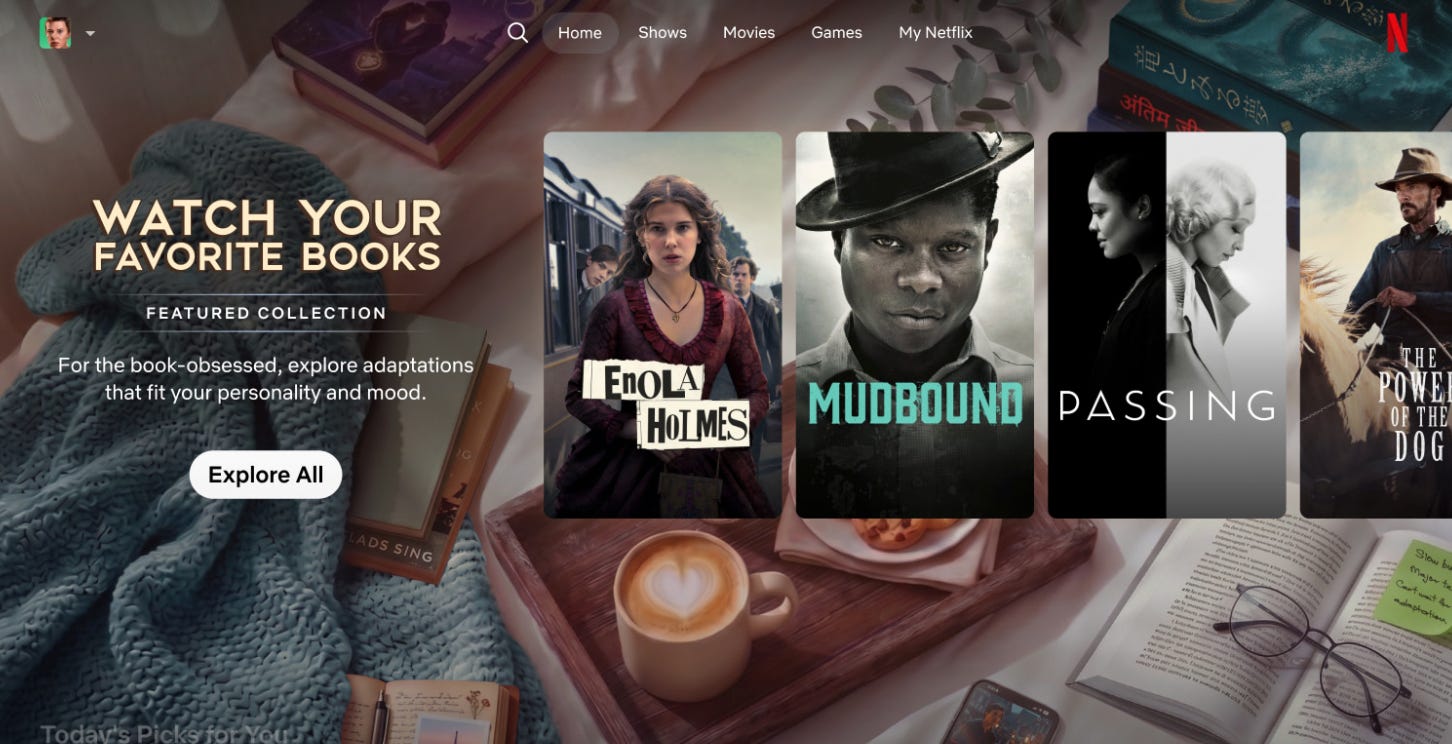
Netflix launched a new content hub. The interesting part isn’t the content, it’s the structure.
Instead of Action, Drama, or Comedy, it’s organized around identity:
You Love a Great Plot Twist
You’re a Nonfiction Fanatic
You Crave Amazing Characters
Same content, different framing.
What changed: navigation shifted from system logic to user identity.
Try this: audit your product or content. Are you organizing by what things are, or by who they’re for and what people want to feel?
📌The curiosity gap still beats any ai feature
Everyone is shipping AI.
But one of the strongest engagement mechanics is much older: the curiosity gap.
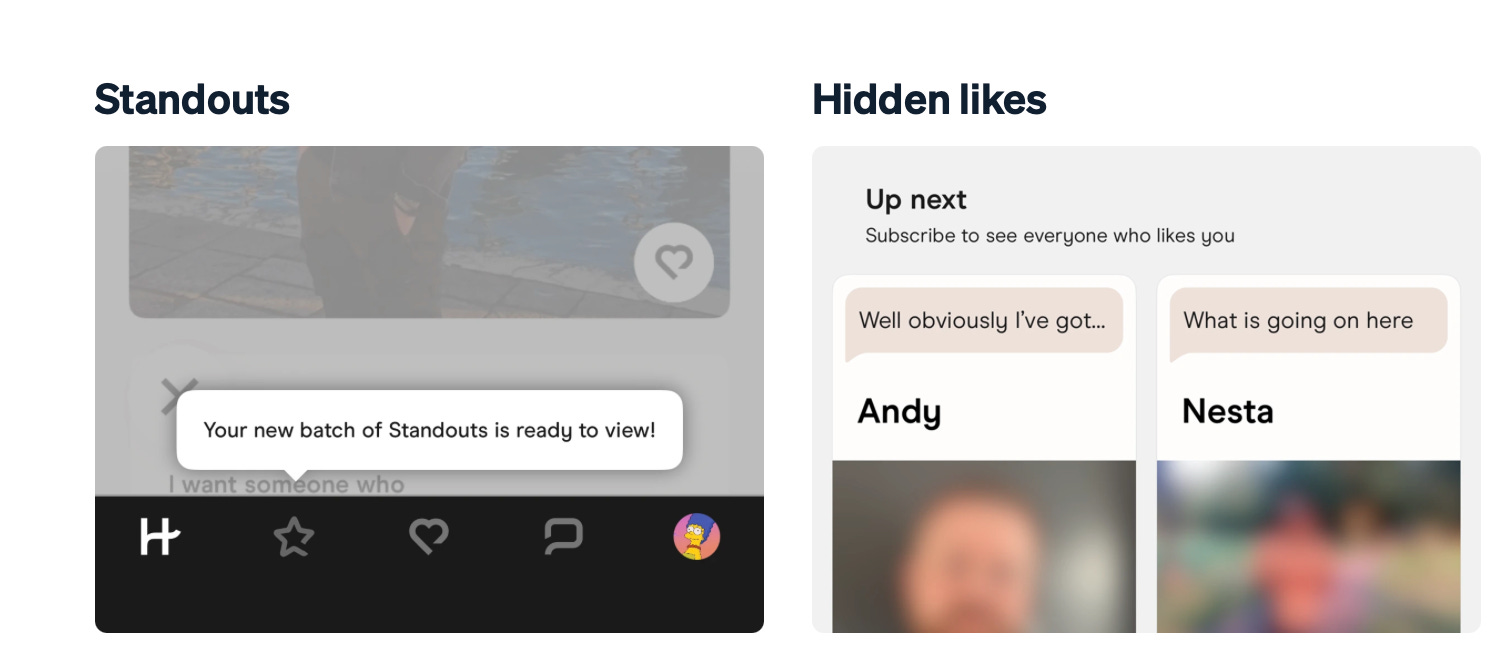
In a Built for Mars teardown of Hinge, one detail stands out. Hinge hides who liked you and limits access to Standouts. Not because the data isn’t there, but because not knowing creates tension.
Who liked you?
Could they be “the one”?
You only resolve it by swiping more or paying.
Design insight: if users know everything upfront, they stop moving. Engagement lives in the gap between what people know and what they want to know.
AI may be new. Curiosity still drives behavior.
👀 A product design quiz that feels like 2002.
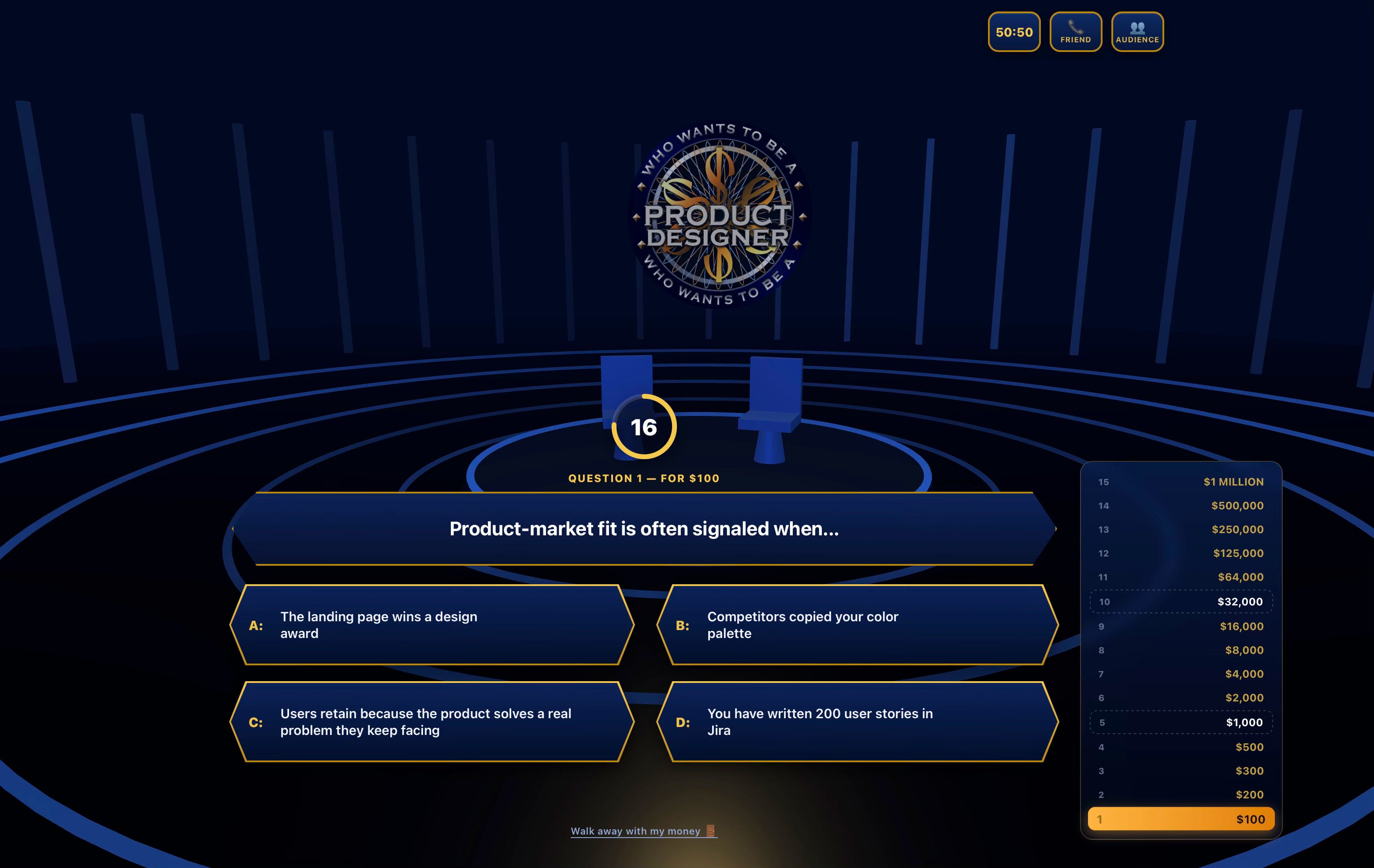
I built a Who Wants to Be a Millionaire–style quiz with product design questions.
Play it, then steal the game-show format for onboarding, education, or activation: