The Practical Five: Week 25
Five ideas from AI and product design you can apply by Monday

The Thursday companion to my Tuesday deep dives.
🔬 Research worth using. One finding you can apply, not just nod at.
🤖 AI this week. The signal, not the noise.
🔄 What changed. A product or UX move worth stealing.
📌 Worth remembering. An old idea that explains today.
👀 One more thing. A tool, a take, or something odd I couldn’t drop.
🔬 AI summaries hallucinate on roughly 1 in 4 multi-source facts.
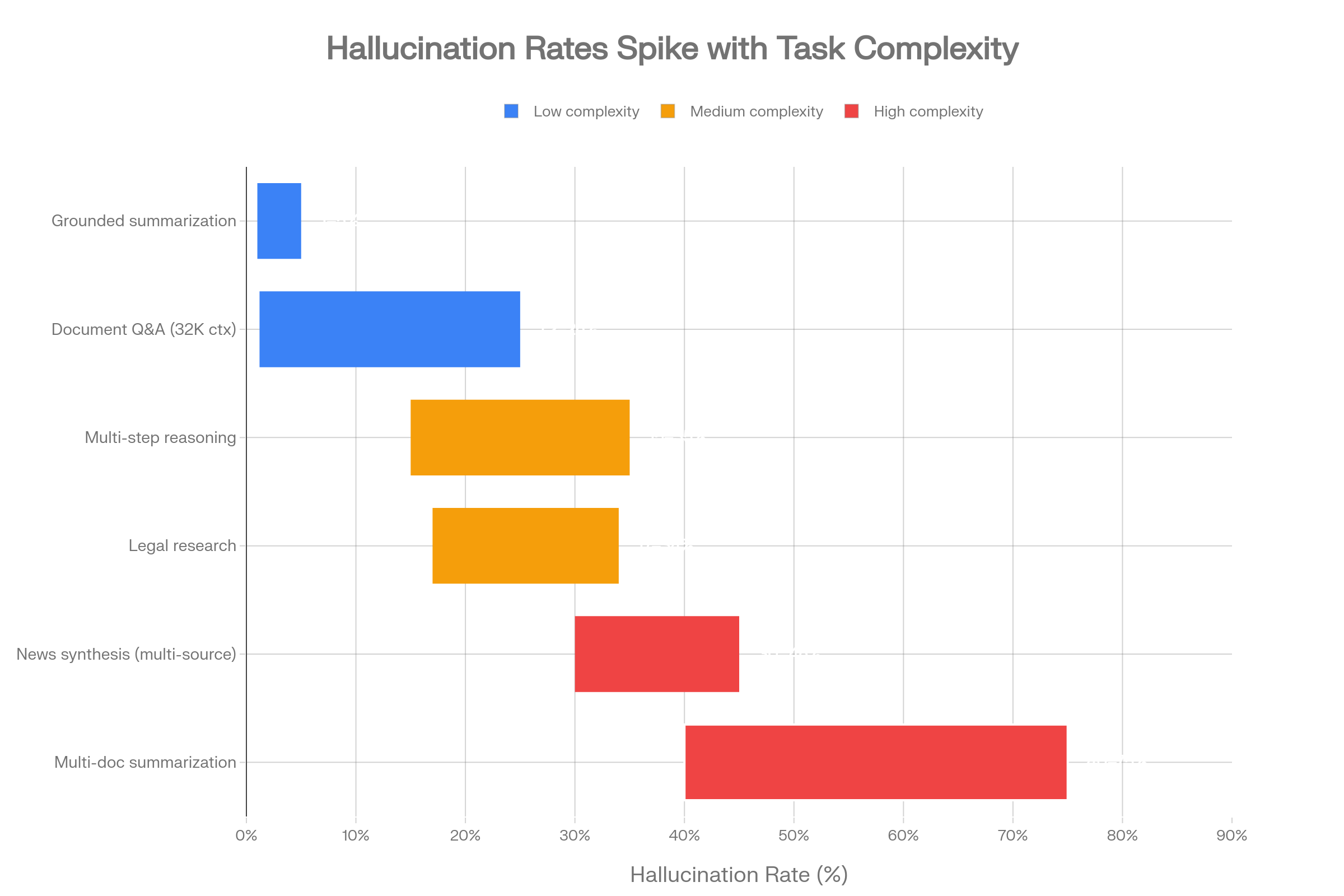
A new Stanford NLP study ran 5 leading models against 1,200 multi-source summarization tasks. Every model hallucinated facts at rates between 18% and 29%. The kicker: confidence scores were uncorrelated with accuracy. Sounding sure and being right were two separate things.
This isn’t a “bad model” problem. It’s a category problem. Summaries are where the model gets to choose what’s important, and choosing wrong is invisible to the reader who didn’t read the source.
Use this: if your product or workflow relies on AI summaries, audit the failure mode this week. Have an actual human read 20 summaries against the source. Note the small distortions, not just the obvious errors. The misses you’d never catch in passing are the ones quietly costing you trust.
Read the study: Stanford NLP hallucination benchmark 2026
🤖 The most capable model Anthropic shipped lasted 76 hours.
Anthropic released Fable 5, the public version of Mythos with safeguards bolted on. 76 hours later it was gone. A U.S. government export-control letter pulled it for every user, including U.S. customers, because the order applied to any foreign national anywhere, and there’s no clean way to enforce that selectively.
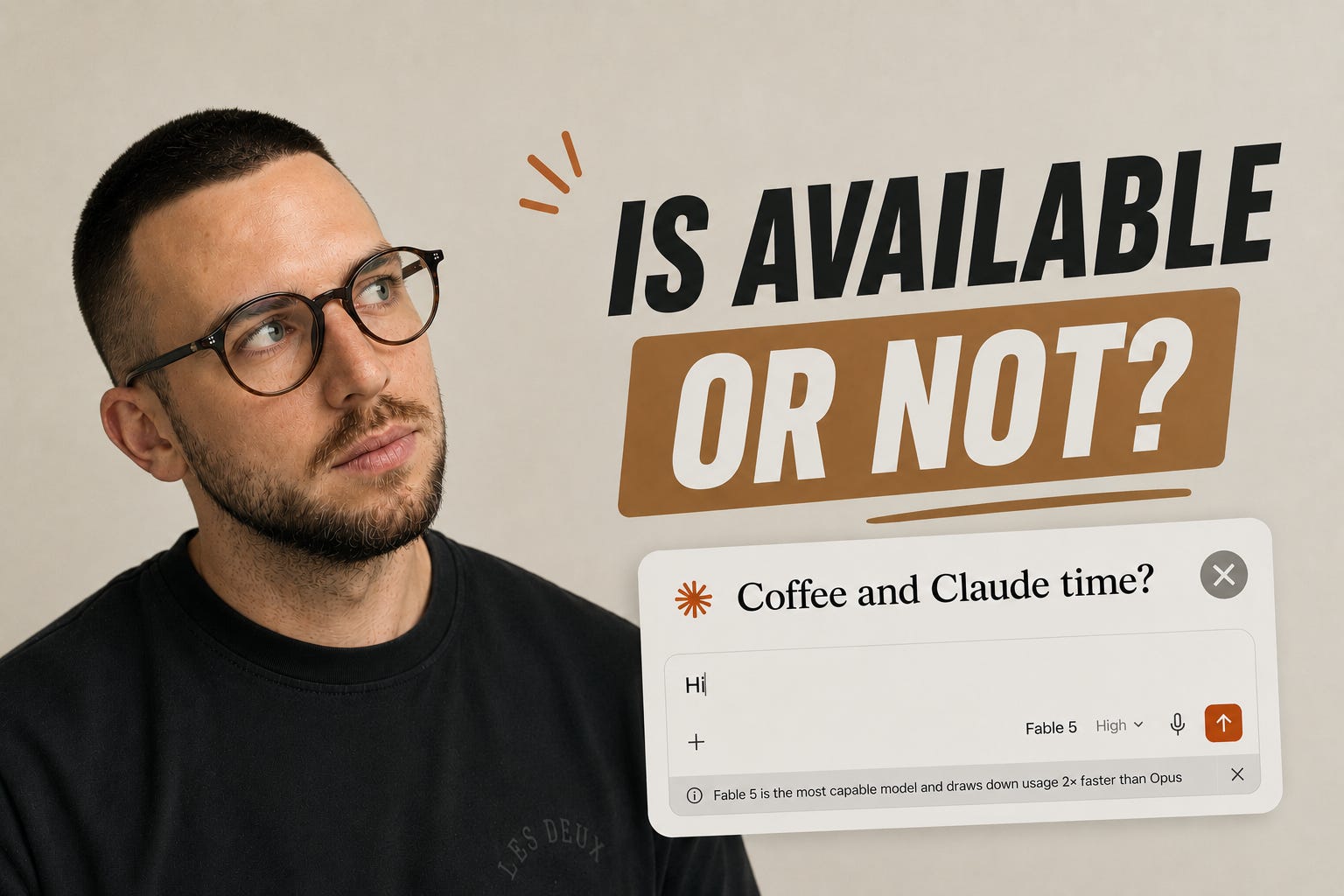
Anthropic complied and disagreed in public, which is rare. Aaron Levie called it a turning point: a government decided a model was too powerful to be public.
Use this: add one column to your tool inventory called “What happens if this disappears Monday?” Cheap audit, compounding payoff. Don’t build your business on something a single letter can switch off, and know which parts of your stack you’d actually own if the cloud version vanished tomorrow.
Read the full breakdown: I cleared a weekend to test Fable 5
🔄 Figma turned the entire web into editable Figma layers.
Figma quietly shipped a Chrome extension that does exactly what it sounds like. Right-click any live website, open it as a Figma file, edit it like any other component. Not a screenshot. Actual layers, real type, working spacing.
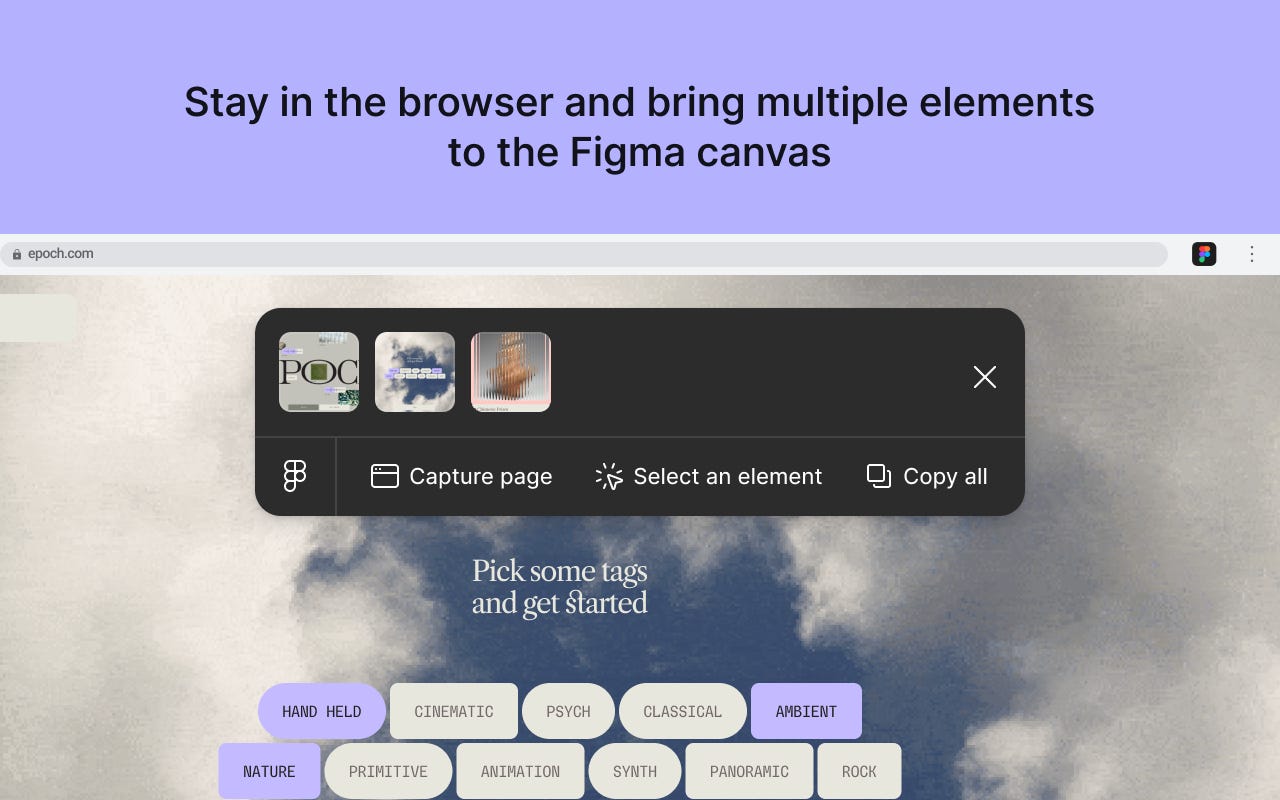
The competitor-research loop just collapsed from two hours of pixel-pushing to five minutes of “extract, edit, present.”
Steal this: next time you need to show a stakeholder “here’s how Stripe does it, but for us,” skip the screenshot-and-annotate routine. Pull the site directly into Figma, tweak it into your version, walk into the meeting with a working comparison instead of a deck. The lift on that habit is real.
Get the extension: Figma for Web (Chrome)
📌 The best products create a great cocktail party.
Mark Pincus has an old framing worth resurrecting. The best products don’t invent a new behavior. They show up where a behavior is already happening and give people a reason to connect there.

Zynga didn’t invent social networking. They noticed people were already on Facebook and dropped games into the middle of those interactions. Facebook was the room. Zynga brought the dance floor.
Now millions of us spend hours inside ChatGPT and Claude. It’s the quietest cocktail party in history. Everyone’s sitting alone.
Use this: look at your product and ask one question. Where do users compete, compare, share, or feel seen? If the honest answer is “nowhere,” you’re building a tool. Add one social loop and you’re building a place. The room is open. Someone’s going to make it feel alive.
👀 I built a feed for the 10 creators you actually follow. Free beta.
I missed three product launches last month from creators I actually respect. They posted. I just wasn’t in the right tab at the right time.
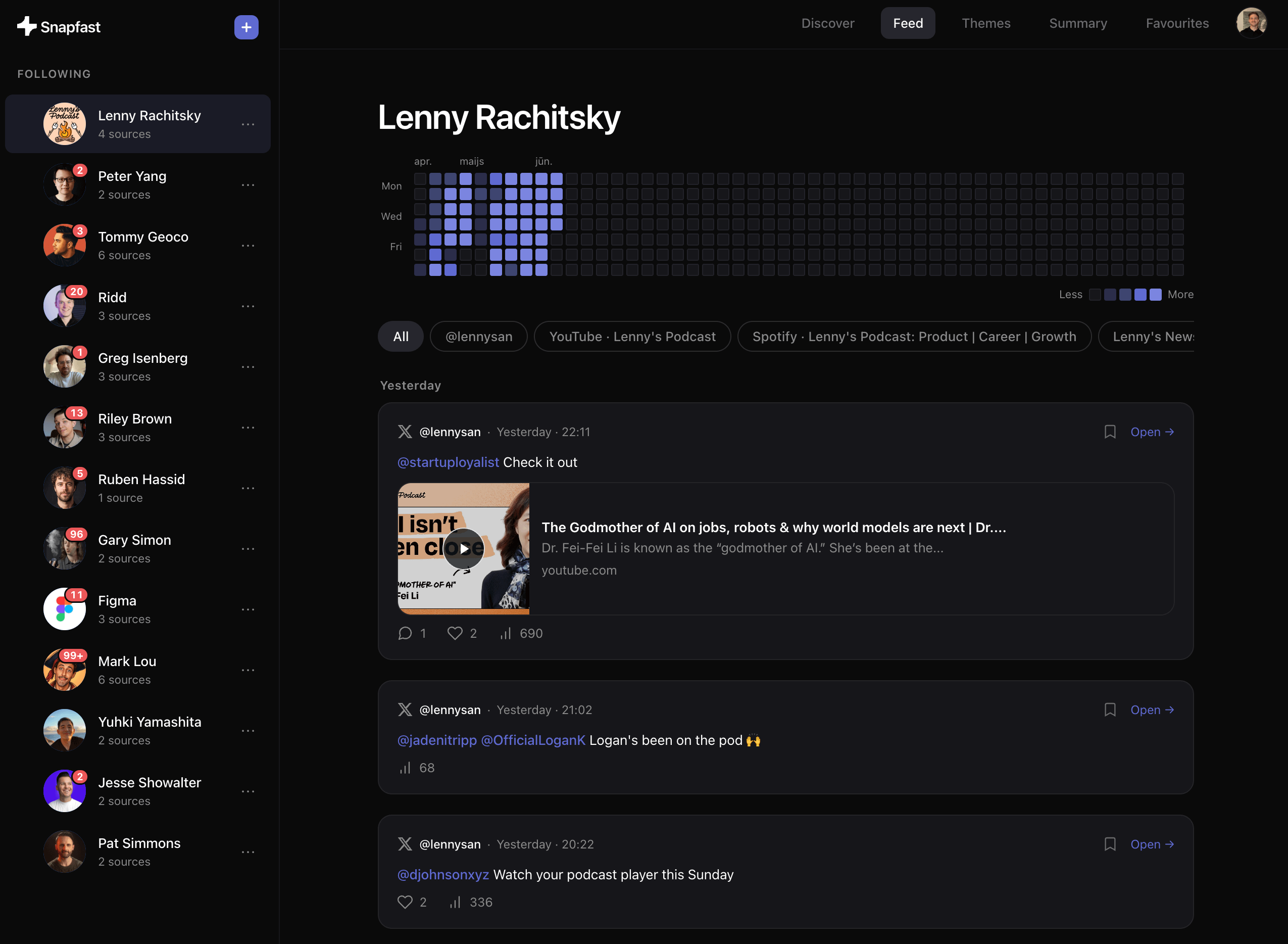
So I built SnapFast. One feed. Only the creators you pick. Real posts, real launches, in order. Not ranked. Not summarized. Not hallucinated. You open it, you catch up, you close it.
Free beta is open this week. Use it for 7 days. Tell me what’s broken, what’s missing, what you’d never use again. No payment, no commitment, no card on file. I need 50 honest testers, and I’d rather have you in than a stranger.
Try it for free: snapfast.ai
Who’s the first creator you’d put in your feed?
✨ Creator worth a follow: Xian (@xianli)
Quick note. Xian was one of the first in the Substack community to actually try SnapFast. Not a like, not a kind reply, but signed up, kicked the tires, sent real feedback. That matters disproportionately when you’re 48 hours into a beta and learning what’s broken from the people who’d actually use the thing.
She writes In Silico, In Soul on building with AI as an indie hacker, UI/UX designer, and frontend engineer. She’s also founder of IdeaGrit and Mermaid Mind. Her work sits at the same intersection this newsletter cares about: AI craft meeting product judgment, with the human in the loop.
If that’s your wheelhouse, subscribe to her.