The Practical Five: Week 28
Five ideas from AI and product design you can apply by Monday

🔬 Research worth using. One finding you can apply, not just nod at.
🤖 AI this week. The signal, not the noise.
🔄 What changed. A product or UX move worth stealing.
📌 Worth remembering. An old idea that explains today.
👀 One more thing. A tool, a take, or something odd I couldn’t drop.
🔬 Most solo founders spend too much time building and not enough time getting noticed.
The default advice is simple:
Build something great.
Then market it.
But that’s rarely how successful solo founders operate.
An analysis of Indie Hackers discussions and solo-founder case studies found that founders who reached $5k MRR within their first year spent 60–80% of their pre-launch time on distribution, not product. Founders who built first and searched for customers later reached the same milestone far less often.
Distribution doesn’t mean posting more on X.
It means:
Building an email list before launch.
Talking to 50–100 potential customers.
Becoming known inside one niche community.
Publishing content people can actually discover months later.
A simple rule of thumb:
Before launch
80% distribution
20% product
After launch
60% distribution
30% product
10% operations
Use this: if you’re spending weeks polishing features nobody knows exist, the bottleneck probably isn’t your product. It’s distribution.
🤖 AI is great at automating work. It doesn’t know whether the work should exist.
Alex Hormozi recently said:
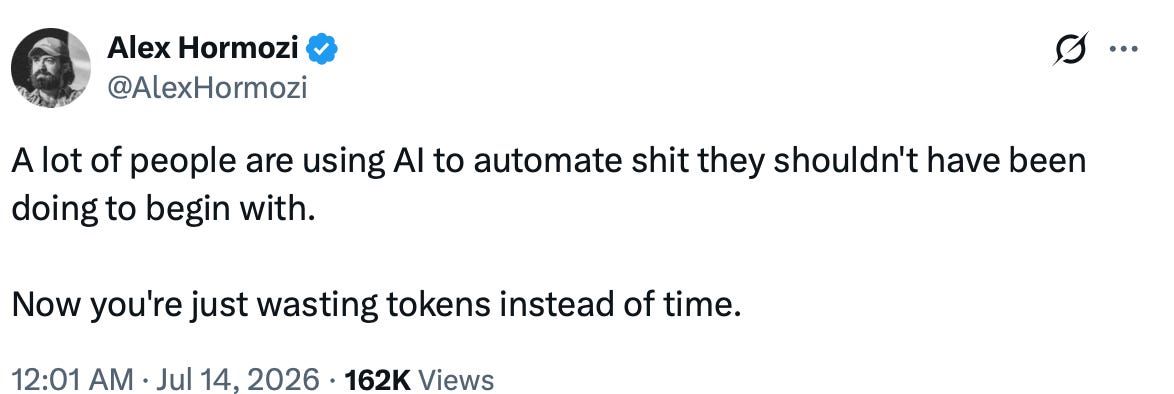
That line stuck with me.
AI makes bad processes cheaper.
It doesn’t make them valuable.
Before asking:
“How can we automate this?”
Ask:
“Should we be doing this at all?”
Evidence first.
Simplify second.
Automate last.
Otherwise you’re simply replacing wasted hours with wasted tokens.
🔄 Tinder redesigned more than an app.
Most redesigns focus on screens.
Tinder redesigned the product and the brand at the same time.

New visual language.
New tone of voice.
A clearer point of view.
It’s a reminder that users don’t experience “branding” and “UX” separately.
They experience one product.
Steal this: if your product feels disconnected from your marketing, don’t redesign the interface first. Fix the story you’re telling.
📌 Tiny UX decisions can create outsized leverage.
When journalists, partners or creators write about your company, the first thing they often need is your logo.
Most companies hide it behind support emails or media pages.
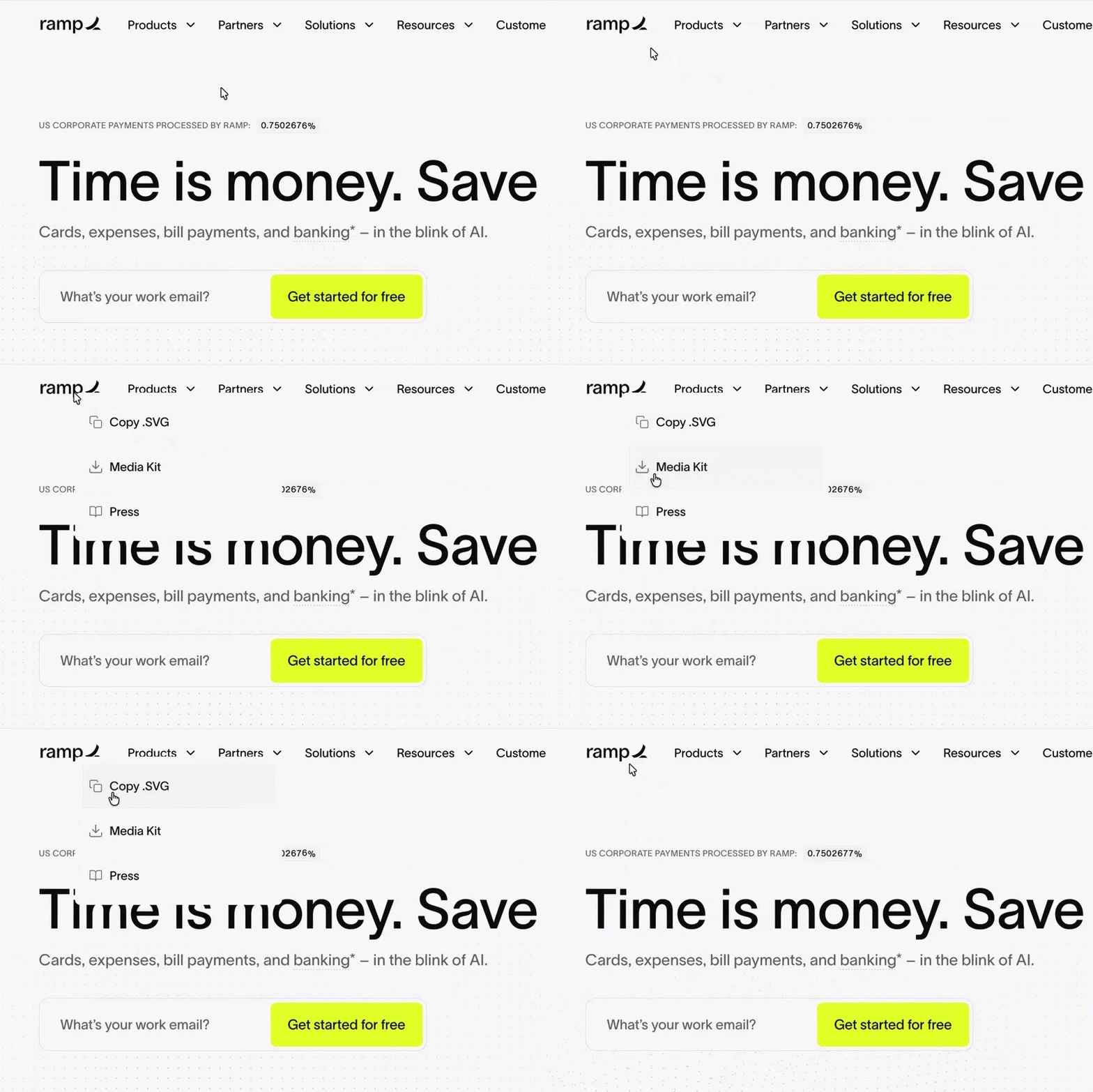
Ramp doesn’t.
Click the logo on their website and you’re taken straight to downloadable brand assets.
One click.
No friction.
No outdated logos floating around the internet.
Small UX improvements aren’t always about customers.
Sometimes they’re for the people helping spread your story.
👀 Success is mostly surviving long enough to get lucky.
Jack Friks recently shared that his solo startup reached $37,000/month.
What caught my attention wasn’t the revenue.
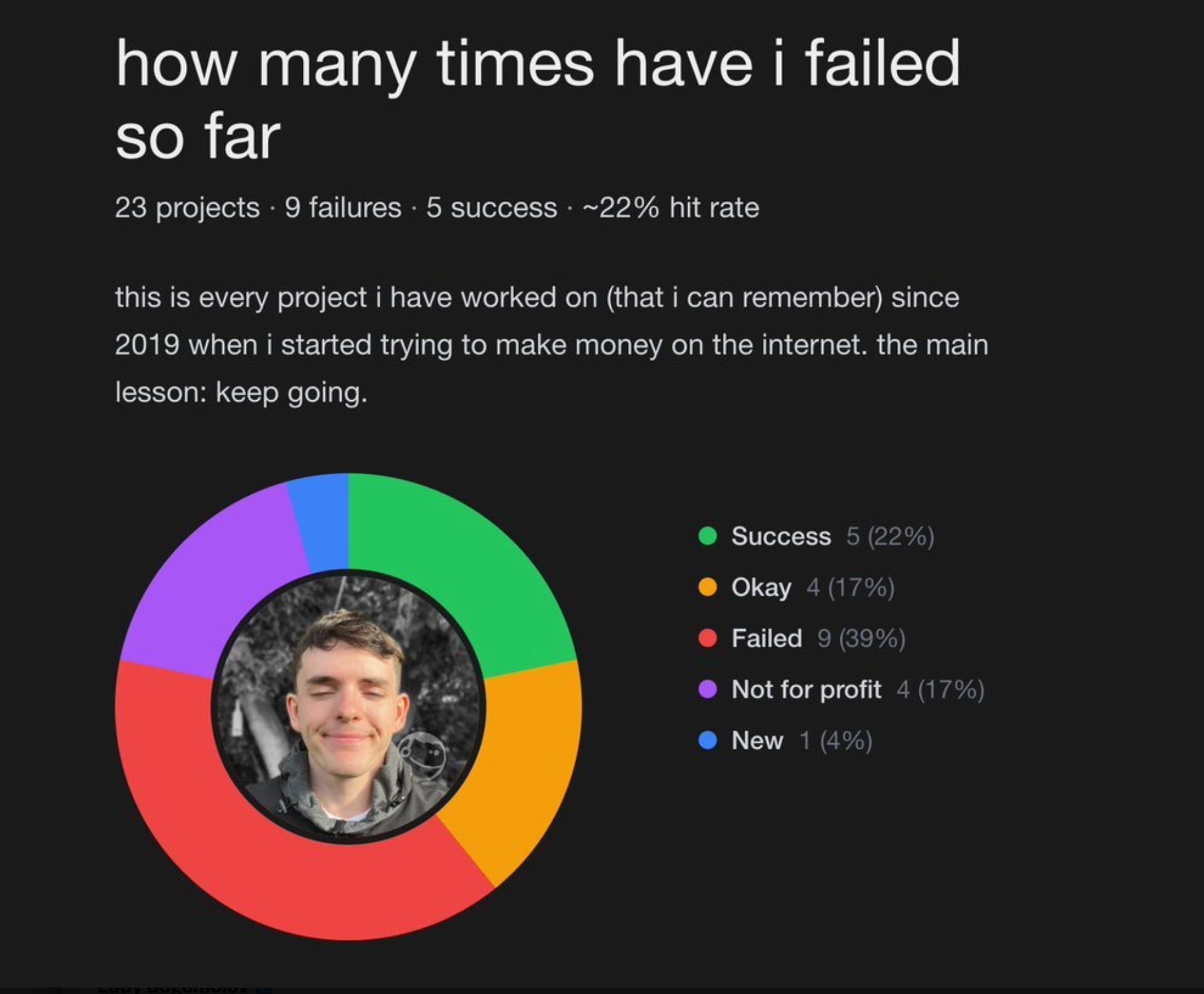
It was everything that came before it.
📋 23 projects since 2019
🫙 18 misses
❌ 9 complete failures
✅ 5 hits
That’s what success usually looks like.
Not one perfect idea.
Lots of attempts.
There isn’t a seven-minute workout that turns you into Arnold Schwarzenegger.
And there isn’t a startup shortcut that guarantees success either.
You keep shipping.
You keep learning.
Eventually one of them lands.
✨ Creator worth a follow: Zayn Rodondi (@zaynrodondi1)
There are plenty of creators explaining how to use Claude.
Zayn is different.
Instead of chasing every viral workflow, he questions whether the workflow is worth doing in the first place.
If you’re building products with AI instead of just experimenting with it, he’s well worth following.